
 ثم 'إضافة إلى الشاشة الرئيسية'
 ثم 'إضافة إلى الشاشة الرئيسية'
Other medications can help you quit drinking by suppressing alcohol cravings or making you feel sick when alcohol enters your body. Becoming cognitively impaired from excessive drinking of alcohol can lead to risky behaviors that can result in injury or death of an affected person or of others. But alcohol misuse, also known as excessive drinking, has a more immediate impact, whereas the symptoms of AUD will be more prolonged. For example, any alcohol consumption by a pregnant person can be considered alcohol misuse, as well as drinking under the legal age of 21. Alcohol misuse refers to single episodes during which you might drink excessively.

How Benzodiazepines Are Used to Manage Alcohol Withdrawal
- Drinking alcohol in moderation is generally regarded as being safe, but for some people, alcohol consumption can become a problem.
- Alcohol-related skin disorders may be indicated by facial redness, particularly on the nose and cheeks.
- It’s not always easy to tell when your alcohol intake has crossed the line from moderate or social drinking to problem drinking.
- Social and emotional red flags, such as strained relationships, isolation, or using alcohol to cope with stress or emotions, are also telltale signs.
While changing drinking habits can feel overwhelming, especially if the dependence has been ongoing for years, recovery is always possible with the right support system. One of the most common and serious consequences of long-term alcohol abuse is liver disease. The liver is responsible for metabolizing alcohol, but frequent heavy drinking can cause conditions like fatty liver, alcoholic hepatitis, fibrosis, and eventually cirrhosis.
Some teens have the mindset that they’ll gain more friends by drinking. Unfortunately, experimenting with alcohol rarely stops after one occasion – it’s usually a snowball effect that becomes unmanageable. Sunnyside Med offers access to compounded naltrexone (50mg + B6 5mg), paired with behavioral tools to help you reduce your drinking over time. Alcohol consumption also increases a person’s risk for impulsive behavior.8 This impulsivity, in combination with reduced cognition, can lead to how to recognize signs and symptoms of alcoholism and alcohol abuse poor life choices.
Denying Our Mental Health: Why We Do It and How To Move Past It
It’s easy to underestimate the amount of alcohol you consume daily or weekly, especially in social settings when others around you are doing the same. Because of this, many people deny having a problem or believe they can stop drinking at any time. While this may be true for some, stopping cold turkey can not only be difficult but also ill-advised, as the acute alcohol withdrawal syndrome may be life-threatening if not managed properly. Family members, colleagues, and friends may also be asked to answer similar questions.
People with AUD will typically continue to drink, even when it causes life-threatening harm. It is critical to seek treatment as soon as you recognize the signs of AUD. Studies show that people who drink early in life (before 15 years old) have a higher risk of developing long-term alcohol abuse and addiction.
Behavioral Signs and Symptoms of Alcohol Misuse
- Even mild to moderate drinkers can experience tremors after a night of heavy consumption, but chronic alcoholics may exhibit them more frequently, even when sober.
- Frequent intoxication and blackouts create memory gaps during drinking episodes.
- A person who spends most or all of their free time drinking, or recovering from the effects of drinking, is likely struggling with alcohol misuse.
- Alcohol use can disturb natural sleep cycles and cause insomnia, even if the person appears drowsy.
Not everyone who drinks has a problem, but alcohol abuse can get out of control quickly without the appropriate intervention. So, it’s important to be able to spot the signs and symptoms of alcoholism so you can get help and start the healing process. If any of the early signs of alcoholism sound familiar, you should help your loved one get help.

While alcohol temporarily alters your mood and feelings, its long-term impact on mental health proves devastating. Chronic alcohol consumption notably reduces your emotional resilience and disrupts mental coping mechanisms, leading to co-occurring disorders that worsen over time. Users experiencing mental health symptoms may find themselves unable to access critical online addiction resources due to security blocks. Statistics show that 55 percent of people receiving alcohol treatment report needing mental health support. The initial calming effects fade quickly, leaving users more vulnerable to heightened anxiety. Alcoholism differs from heavy drinking in crucial ways that affect how you recognize and address drinking problems.
When all behaviors and health problems are taken into consideration, a doctor may determine that a person’s drinking is in fact an addiction. Empathy, patience, and encouragement are key when supporting loved ones through recovery. It’s crucial to avoid judgment or criticism and instead understand that alcoholism is a complex medical condition, not a moral failing. Alcohol abuse often leads to strained relationships with friends, family, and partners.
This tolerance develops as your liver becomes more efficient at processing alcohol and your brain adjusts to its presence. The need for progressively larger amounts of alcohol to feel “normal” or achieve desired effects signals a dangerous escalation in consumption. American Addiction Centers (AAC) is a leading provider of treatment for alcohol misuse and AUD, with locations scattered across the United States.
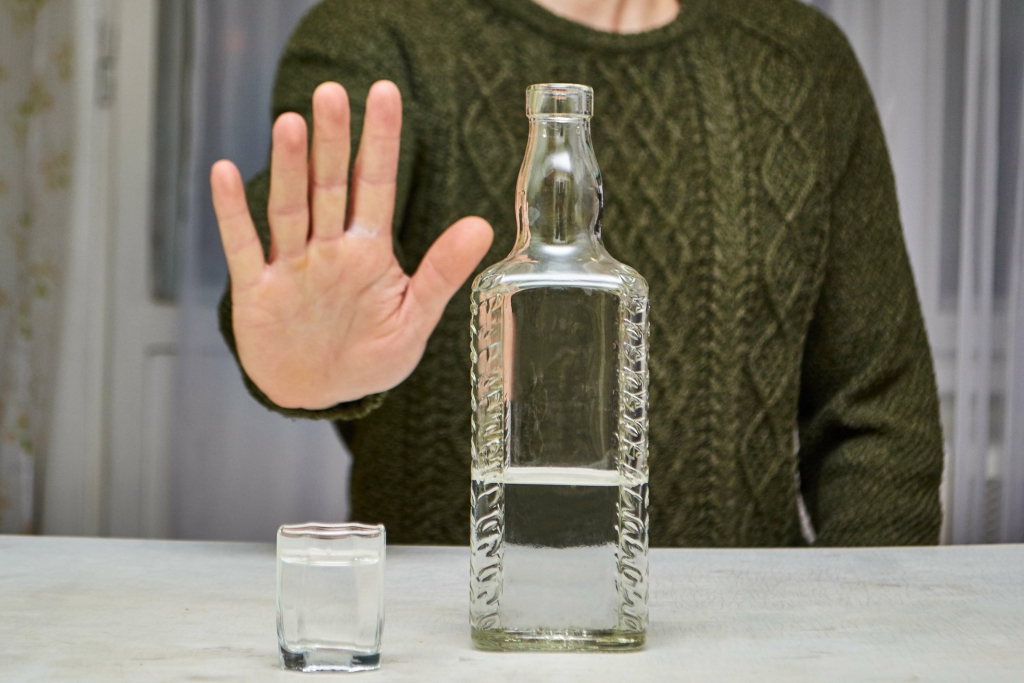
Surveys show that most adults in the US drink alcohol at least occasionally. While many people may include alcohol consumption in a generally healthy lifestyle, some struggle to control their alcohol use. An estimated 28.9 million people in the U.S. have an alcohol use disorder.
Risks of Alcoholism
They’re also more likely to use alcohol to cope with emotional pain or trauma. Look for hidden alcohol, emotional withdrawal, changes in behavior, and defensiveness when asked about drinking. Some changes are subtle while others may seem painfully obvious to you. If you’ve noticed any of the following, it’s okay to wonder if your body is trying to tell you something.
Key Differences in Control and Priority
- This behavior suggests shame about drinking patterns and potential loss of control.
- People who abuse alcohol tend to be secretive about it and can even become hostile if confronted.
- However, the damage from heavy alcohol use may be too severe at a certain point.
- The Healthline FindCare tool can provide options in your area if you need help finding a mental health specialist.
- Heavy drinking is 15 or more drinks per week for men and eight or more for women.
Alcoholism often goes hand in hand with a constant craving for alcohol. If you feel compelled to drink regularly or find yourself planning your day around alcohol, it’s a clear warning sign that your drinking may marijuana addiction have become problematic. In severe cases, alcohol withdrawal can lead to a serious condition called delirium tremens (DTs), which require medical supervision. But when alcohol begins to interfere with health, relationships, work, or overall well-being, it’s time to take a closer look. Treatment of AUD focuses on relieving symptoms of alcohol withdrawal in the short term and then suppressing alcohol cravings in the long term. Another complication is alcohol withdrawal syndrome, which may occur after you stop drinking and can cause symptoms such as nausea, shaking, and sweating.
لا تعليق